Roof walkthroughs at no charge · Every finding photographed
(682) 399-3006
Cool Roof Shingles in Texas: Do Reflective Shingles Lower Cooling Bills in Joshua?
A reflective shingle runs cooler in the July sun, but how much of that reaches your electric bill depends on the house underneath it. Here is how cool roofs work and how to compare them now that ENERGY STAR no longer rates roofing.
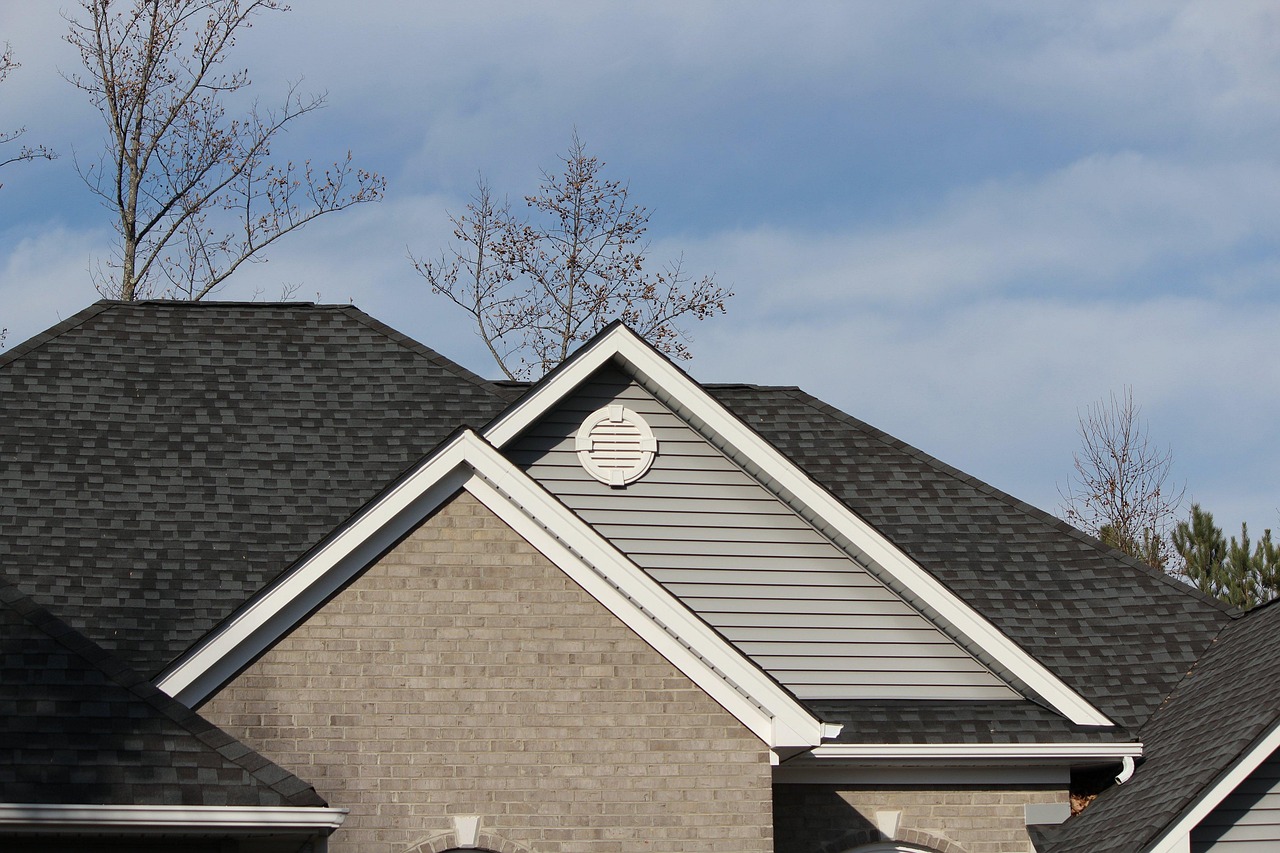
The first 100-degree afternoon of a North Texas summer usually arrives around the start of July. The National Weather Service office in Fort Worth puts the average first 100°F day at DFW on July 1 and the average last one on August 27, and in 2011 the airport logged 71 of them in a single year. Joshua sits a little under 40 miles southwest of that gauge, under the same sun, and every one of those afternoons lands on a roof first.
That is why cool roof shingles come up so often when Johnson County homeowners price a replacement. The pitch is simple: a shingle that reflects more sunlight stays cooler, so less heat soaks into the attic and the air conditioner works less. The pitch is also incomplete. Whether reflective shingles lower cooling bills in a particular Joshua house depends on things the shingle cannot change, and the ratings that used to make comparison easy are not what they were. The questions below are the ones worth settling before a color sample goes on the contract.
What actually makes a shingle a "cool" shingle?
A cool roof is one that reflects more sunlight and absorbs less solar energy than a conventional roof, which is how the U.S. Department of Energy defines it. Two measured properties do the work. Solar reflectance is the share of incoming sunlight a surface bounces back, on a scale from 0 to 1. Thermal emittance is how readily the surface sheds the heat it did absorb as infrared radiation; most cool roofs score high on both.
A third number, the Solar Reflectance Index or SRI, rolls those two into a single figure so products can be compared at a glance. On an asphalt shingle the property that changes is mostly the granules. Standard dark granules absorb most of the sunlight that reaches them. Cool shingles use light-colored granules, or granules coated with pigments that reflect the invisible near-infrared part of sunlight while still looking dark to the eye.
How much cooler does a reflective roof surface run?
The surface temperature difference is large and well documented. The Department of Energy notes that on a sunny summer afternoon a conventional roof can reach 150°F or more, while a reflective roof under the same conditions can stay more than 50°F cooler. That headline gap describes highly reflective surfaces, and a shingle that keeps a darker color closes only part of it.
For shingles that keep a darker look, the gap is smaller but still real. Lawrence Berkeley National Laboratory's Heat Island Group estimates that a cool-colored roof reflecting 35 percent of sunlight runs about 22°F cooler on a summer afternoon than a roof of the same color that reflects only 10 percent. The same group notes that cool-colored replacements can raise solar reflectance by as much as 0.4 without changing how the roof looks.
Those are surface temperatures, not indoor temperatures. A roof deck that runs that much cooler sends less heat into the attic below it, but how much of that difference reaches the living room is a separate question, and it is the one that decides the electric bill.
Do reflective shingles lower cooling bills in a Joshua house?
They can, but the size of the saving depends on the house more than on the shingle. The Department of Energy says cool roofs can save energy and money in air-conditioned buildings, and it lists the variables that decide how much: the local climate, the amount of roof and attic insulation, the type of roof, and the efficiency of the heating and cooling equipment. It does not attach a single percentage to a cool roof, and neither should a roofing quote.
A few conditions make the payoff larger. Heavy attic insulation already blocks much of the heat a hot roof deck radiates downward, so a cool roof over a well-insulated ceiling has less to stop. Over a thin layer of old insulation, the reduction in heat reaching the ceiling is easier to feel. Ductwork is the other big factor: when supply ducts run through the attic, as they do in a lot of homes, a cooler attic means cooler air arriving at the vents.
- Larger effect: thin or settled attic insulation, ducts and the air handler in the attic, an older or undersized air conditioner, little shade from trees
- Smaller effect: deep blown-in insulation, ducts inside the conditioned space, a newer high-efficiency system, a roof shaded much of the day
A specific dollar figure promised from shingle color alone is a guess. The fair answer is that a cool roof cuts the heat load, and the rest of the house decides how much of that reaches the bill.
Does a cool roof have to be white?
No. The Department of Energy's guidance for steep-slope roofs lists cool choices across several materials. For asphalt, it recommends shingles surfaced with light-colored granules or, if a darker color is preferred, cool-colored granules. Polymer shingles can be factory-colored with cool pigments, and wood shingles and shakes are naturally cool-colored.
Metal is where the color question has the widest range. The DOE recommends metal shingles or panels with factory-applied light or cool paint, or reflective granules, and specifically calls unpainted metal a poor choice. On a metal roofing project, that makes the paint system as important as the panel profile, and it is worth asking which coating is specified and whether it is a cool-pigmented finish. Slate, by contrast, is usually not cool.
Researchers at Berkeley Lab and Oak Ridge National Laboratory worked with manufacturers specifically on cool-colored products for pitched roofs, asphalt shingles included. That work is the reason a homeowner held to a muted color list, whether by an HOA or by taste, is not automatically shut out of a more reflective roof.
How do you compare cool shingles now that ENERGY STAR is gone?
The rating most homeowners remember no longer applies to roofs. According to the Cool Roof Rating Council, the ENERGY STAR certification program for roofing products officially ended on June 1, 2022, by order of the U.S. Environmental Protection Agency, and no roofing products are certified to ENERGY STAR now. A brochure or website that still calls a shingle "ENERGY STAR rated" is out of date.
The practical replacement is the Cool Roof Rating Council's own Rated Roof Products Directory, a public database of solar reflectance, thermal emittance and SRI values. Its listings show both an initial value and a three-year aged value for each property, which is the more useful number for a roof expected to last decades.
Ask for the shingle's CRRC product ID, then compare three-year aged solar reflectance between the options on your quote. A higher aged number means more sunlight still bouncing off the roof after a few Texas summers.
Will a cool roof cost more to heat in winter?
Sometimes slightly, but rarely enough to matter in a climate like this one. The Department of Energy points out that cool roofs can carry a winter heating penalty, because the same reflectance that keeps summer heat out also turns away some free solar warmth in cold months, and in colder climates that penalty can exceed the cooling savings.
Berkeley Lab's researchers describe that heating penalty as typically small compared with the summer cooling benefit. In a place where the average 100-degree season runs from early July to late August, the cooling side of the ledger is the larger one.
What happens to reflectance as the roof ages?
Reflectance drops over time. Dirt, algae, airborne dust and weathering all dull a surface, which is why the CRRC directory reports three-year aged values alongside initial ones. A product that starts very bright but loses much of it in three years may end up close to one that started a bit lower and held steady.
Hail adds a North Texas twist. Asphalt shingles shed granules when they are struck, and on a cool shingle the granules are where the reflectance lives. A roof that has taken repeated hail can lose some of its reflective surface along with its protection, which is one more reason to have the roof looked at after a storm rather than assuming it is fine because nothing is leaking.
For a shingle roof, the choice made at installation does most of the work. There is little a homeowner can do later to brighten weathered granules, so the better lever is picking a product with a strong aged rating at the start and keeping the roof in good repair so the granule surface stays intact.
Putting reflectance on your next roof quote
If you are replacing a shingle roof anyway, a cool-pigmented shingle in a color you like is often a low-friction upgrade, so make it a line on the quote rather than an afterthought. Ask for the exact product line and color, look up its three-year aged reflectance in the CRRC directory, and compare that number before you compare marketing claims. Then check the attic: if the insulation is thin or the ducts run up there, the roof is only part of the heat problem, and the cheaper fix may sit below the deck.
When you are ready to price it, Joshua Texas Roofing can walk through shingle and color options on a roof replacement or a coated metal roof, with the product named in writing so you can check its rating yourself.
Sources
Weighing a lighter shingle for your next roof?
A Johnson County crew can look at the roof and the attic it sits over, then put the shingle and color options in writing so you can check their ratings before you choose.
Book a walkthrough — (682) 399-3006Choose the roof color with the summer in mind
Color is usually picked from a sample board in a few minutes, then lived with for decades of Texas afternoons. Call when you want the options priced and written down for a home in Joshua or anywhere in Johnson County.
Insured crews · Written workmanship warranty · Joshua and Johnson County