Roof walkthroughs at no charge · Every finding photographed
(682) 399-3006
Shingle Granule Loss in Joshua: When Grit in the Gutters Is Normal and When It Isn't
New roofs shed spare granules for months. Old and hail-struck roofs shed the layer that protects them. How to tell which one is filling your gutters in Johnson County.
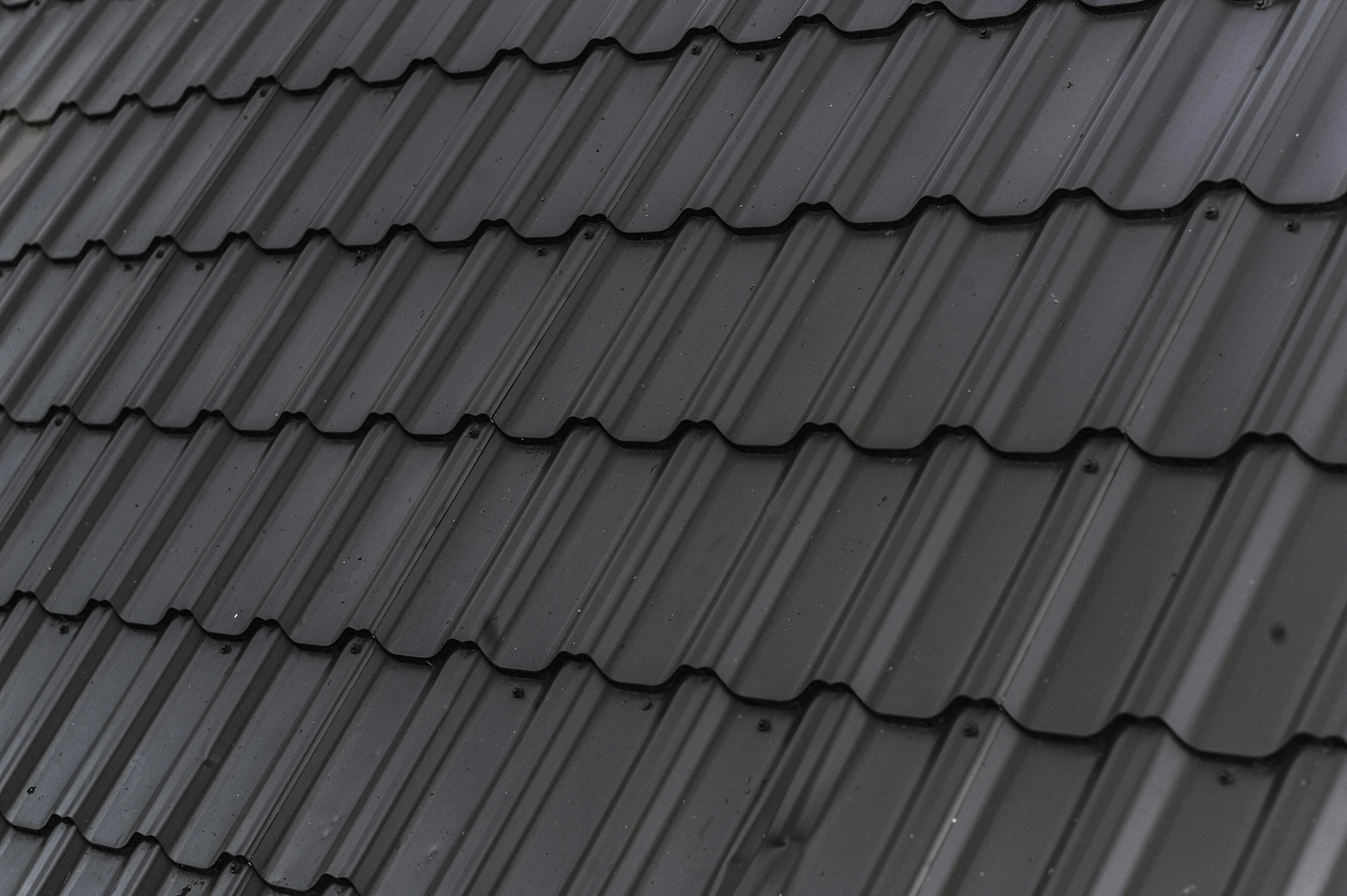
After a spring storm moves across Johnson County, the first clue that something has changed often is not on the roof at all. It is at the foot of a downspout on a street off Broadway in Joshua: a small fan of dark, sand-like grit spread across the driveway, or a gritty layer in the gutter that was not there last month. That grit is shingle granule loss, and depending on the age of the roof and what the sky has been doing, it can mean nothing at all or it can be the earliest visible sign that a roof is wearing out.
What Are Shingle Granules, and Why Do They Matter?
Granules are the crushed, coated mineral chips pressed into the top surface of an asphalt shingle. They give the shingle its color, but their real job is to shield the asphalt underneath from sunlight and weather. A shingle's useful life depends heavily on how well it holds on to that layer, because asphalt left uncovered ages much faster than asphalt that is protected.
That matters in Joshua, which sits in the Cross Timbers country of Johnson County along SH 174, between Burleson to the north and Cleburne to the south. Roofs here spend long summers under hard afternoon sun, and a south- or west-facing slope that has shed its granules takes that heat on bare asphalt.
Is It Normal to Find Granules in the Gutters?
Yes, especially on a newer roof. Manufacturers put more granules on a shingle than will stay embedded, so that all of the asphalt is covered when it leaves the plant. Malarkey Roofing Products calls the surplus hitchhiker granules in its technical bulletin on granule sloughing, and states that losing them is not a manufacturing defect and does not affect the performance or lifecycle of the shingles.
The same bulletin says this excess sloughing may take from six months to two years depending on climate, and that the loose granules typically end up in gutters or at the exit of downspouts. Home inspectors see the same pattern. InterNACHI's inspector guidance on asphalt shingle granule loss notes that it is common to see an accumulation of granules in the gutters of fairly new roofs, and that storm runoff carries many of the loose ones away.
So a modest trickle of grit after heavy rain on a roof installed in the last year or two is usually the roof settling in, especially if the amount tapers off over the months.
When Does Granule Loss Become a Problem?
Granule loss becomes a problem when it starts exposing the asphalt beneath. A light dusting from a new roof leaves the shingle surface fully covered. The concern is bare, dark patches where the coating shows through, or shingles whose texture looks smooth and worn next to the rest of the roof.
InterNACHI's advice to inspectors is that when granules sit deep in the gutters, the next step is to look carefully at the shingles to see whether they are losing granules prematurely. Volume and trend matter more than the presence of grit. Signs that deserve a closer look include:
- Granule buildup that keeps growing year after year instead of tapering off
- Bare or shiny dark spots visible from the ground with binoculars
- Grit suddenly collecting in the gutters of an older roof that never used to shed
- Loss concentrated on one slope, around a valley, or in a line across the roof
- Grit appearing right after a hailstorm, along with fresh dents in gutters, vents or downspouts
Any one of these alone does not condemn a roof. Together, or on a roof well into its second decade, they point toward a roof inspection rather than another season of waiting.
What Causes Shingles to Lose Granules?
Most granule loss comes from one of five causes: age and weathering, hail, foot traffic, blistering, or a manufacturing problem. The pattern on the roof is usually how an inspector tells them apart.
Age and weathering
As a shingle ages, the bond between the granules and the asphalt deteriorates, and the loss tends to be fairly even across a slope. InterNACHI notes that south- and west-facing slopes are more likely to take a beating, which fits what afternoon sun does to a roof in North Texas. Uniform age-related loss is treated as part of the natural aging process and is not considered functional damage by insurance companies, unless the shingles appear to be failing prematurely.
Foot traffic and blistering
Loss along a natural path of travel, say from a ladder point to an attic vent, is usually scuffing from people walking the roof. Blisters, small raised bubbles that break open, also leave scattered bare spots, though InterNACHI attributes the underlying loss mainly to aging and weathering.
Manufacturing
Occasionally the shingle itself is to blame. InterNACHI describes poor-quality asphalt causing the granule bond to fail early, and manufacturing anomalies creating weak areas that flake. Odd, patchy loss on a roof too young to be wearing out is when the manufacturer's warranty becomes worth reading.
How Does Hail Strip Granules Off a Roof?
Hail knocks granules loose on impact, and it does not have to be dramatic hail to do it. The National Weather Service treats hail 1 inch in diameter, about the size of a quarter, as the threshold for a severe thunderstorm, according to an NWS hail safety page. Many storms drop stones well below that line.
Smaller hail still counts. The Insurance Institute for Business and Home Safety's testing of high concentrations of small hail found that sub-severe hail knocks away protective granules from asphalt shingles, exposing the underlying asphalt to sunlight and weathering, and that repeated exposure can significantly reduce a roof's resistance to later large hail. Roofs that had weathered naturally and then taken two simulated sub-severe hail events became up to ten times more susceptible to damage from subsequent large hail impacts.
InterNACHI makes a related point from the inspector's side: prolonged exposure to hail can loosen granules, and older roofs can lose them even to marble-size hail. Hail marks usually look different from age wear. Instead of an even thinning, you see scattered, roughly round spots where granules have been knocked off, sometimes with a soft, bruised feel underneath.
Because hail tends to fall in narrow bands, one house in Joshua can take a pounding while the next street over is barely touched, so a neighbor's roof is not a reliable guide to yours. If grit shows up right after a storm, the storm and hail damage side of the question is the one to check first.
How Can You Check for Granule Loss Safely?
Start from the ground and the gutters, not the roof. Walking a roof scuffs granules off on its own, and a slope is no place to be without fall protection.
- Look at the splash zone below each downspout outlet after a good rain and compare it with what you saw a few months earlier
- Scoop a handful of gutter debris and note whether it is mostly leaves with a little grit, or mostly grit
- Scan each slope from the yard with binoculars for dark patches, especially on the south and west sides
- Check soft metals such as gutters, downspout elbows and roof vents for fresh dents after a storm
A gutter packed with granules and leaves also holds water against the fascia, so if yours fill with grit faster than you can clear them, add the gutters and downspouts to any roof check.
Can Granule Loss Be Repaired?
Granules cannot be stuck back onto a worn shingle in any way that lasts, so the fix depends on how much of the roof is affected. A handful of shingles damaged by scuffing or a localized patch of blistering can usually be replaced individually as part of a roof repair, provided a reasonable color match is available.
When loss is widespread from age, or when hail has bruised shingles across several slopes, patching rarely makes sense, and the conversation moves to roof replacement and, if a storm was involved, a possible insurance claim.
Granule Loss: Short Answers for Joshua Homeowners
How much granule loss is too much?
There is no single measurement; the warning sign is exposed asphalt, not loose grit. A new roof shedding a little after each rain is normal for its first months to two years. An older roof that suddenly fills its gutters, or shows bare dark patches from the ground, should be looked at.
Does homeowners insurance cover granule loss?
It depends on the cause. InterNACHI notes that uniform loss from aging is not considered functional damage by insurers, while loss from a specific hail event may form part of a storm claim. Your policy decides the details, so note the date and take photos if grit appears right after a storm.
Will a new roof stop shedding granules?
Yes, the loose surplus washes off over time. Malarkey's bulletin puts the typical window at six months to two years, depending on climate. If shedding on a new roof is heavy or still increasing after that, ask the installer to check whether the shingles are failing early.
Are the granules in my gutters always from my own roof?
Not always. Malarkey points out that granules in gutters are not necessarily from its shingles, and grit from a neighbor's tear-off, nearby construction or windblown sand can collect there as well. Comparing the color of the grit with your shingles is a quick first check.
Sources
Grit in the gutters and not sure why?
We check each slope, the vents and what is actually in the gutters, then show you photographs of what the granules are telling you. The walkthrough itself costs nothing.
Book a walkthrough — (682) 399-3006Find Out What Your Granules Mean
An hour on the roof and in the gutters is enough to separate a new roof settling in from shingles losing their protection, and the photographs are yours to keep.
Insured crews · Joshua, Cleburne, Burleson and the rest of Johnson County